
Traditional Braces – Henderson, NV
A Reliable Way to Reposition Your Grin
You might think of your crooked or gapped teeth as more of an aesthetic concern than an oral issue, but dental and bite misalignments can negatively impact your smile. For instance, it can be harder to keep teeth clean when they’re not evenly positioned, increasing the risk of cavities and gum disease.
Dr. Noorda has a reliable way to reposition your grin with traditional braces. Continue reading to learn more about this standard orthodontic treatment and who it can help!
Why Choose Dental Excellence: Dr. Brett Noorda for Traditional Braces?
- Dentist with 20+ Years of Experience
- Flexible Payment Plans Available
- Advanced Training in Orthodontics
How Do Traditional Braces Work?
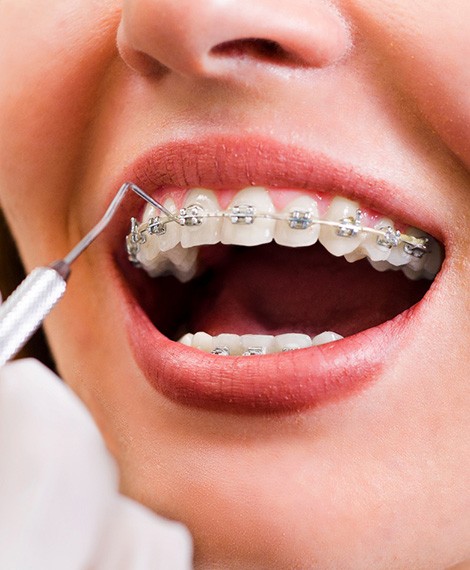
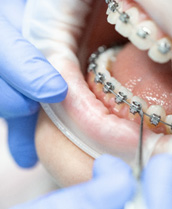
This tried-and-true solution has a long history of successfully straightening smiles. It utilizes a series of metallic brackets that are cemented to the fronts of your enamel. These are then threaded with a thin archwire with adjustable tension that exerts enough force to shift your teeth to their ideal places.
You’ll have a follow-up appointment with Dr. Noorda approximately every six to eight weeks so he can monitor your progress and make any changes as needed to the archwire. Typically, it takes anywhere from 24 to 36 months to complete treatment, although minor misalignments might only require 6 to 12 months to address.
What Orthodontic Issues Can Braces Fix?

Standard orthodontics can help with everything from slight gaps to severe malocclusions (bite misalignments), but that doesn’t necessarily mean that everyone is automatically a good candidate for this service. Before proceeding, you must consult Dr. Noorda to ensure you’re a good candidate. He will examine your teeth and gums and treat any pre-existing problems, like cavities or gum disease, before proceeding.
Then, he might recommend traditional braces to address one or more of the following concerns.
Bite Misalignment
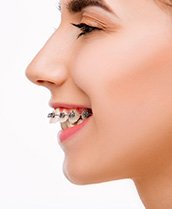
If your upper and lower arches don’t come together correctly when you bite down, you likely have developed some type of malocclusion. Leaving it untreated can result in prematurely worn-down enamel, which increases your vulnerability to tooth decay and injuries. It can also put additional stress on your TMJ (temporomandibular joints) that anchor your jawbone to your skull, which can eventually cause a sore, stiff, or locked jaw.
Braces can be used to pull your top and bottom rows into their correct alignment, often with the help of bands or elastics.
Crowded & Crooked Teeth
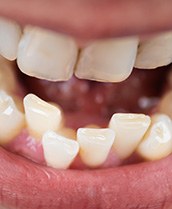
You’re not alone if you struggle to brush and floss all sides of your overcrowded teeth thoroughly enough to prevent dental problems, such as gum disease or tooth decay. If they overlap in places, it can be difficult to give them a thorough scrubbing.
Dr. Noorda can use traditional orthodontics to pull them to their ideal places to make it easier to keep them clean and healthy. This can also boost your confidence in your appearance, so you look and feel like the most attractive version of yourself.
Gapped Teeth
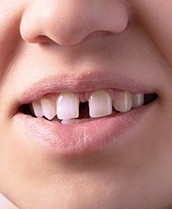
Wide spaces in your smile tend to trap bits of food and bacteria that contribute to cavities and periodontal problems. Not only that, but they leave sections of your connective tissues unprotected, which can result in injury or infection. Pulling your teeth together with braces helps prevent common concerns or injuries.
Caring for Your Braces

You must maintain your grin carefully throughout your orthodontic treatment to avoid potential issues, like dental problems or broken brackets or wires. Our team will provide a list of care instructions for you to follow, which typically includes:
- Implementing an at-home dental hygiene routine. You should continue brushing and flossing twice daily. Specially designed accessories, like interproximal brushes and floss threaders, can help reach around the metal components.
- Watch what you eat. You should avoid overly hard, crunchy, sticky, or sugary foods that could harm your braces.
- Schedule regular follow-up visits. You should expect to schedule routine appointments throughout your treatment that allow Dr. Noorda to monitor your progress and make any adjustments as needed.
Understanding the Cost of Traditional Braces

The cost of traditional braces is different for each patient because orthodontic treatment is entirely customized. During your consultation with us, we will go over the estimated cost of your treatment and payment options in detail so that you don’t run into any surprises. Until then, here are some things for you to take into consideration.
Factors That Affect the Cost of Traditional Braces
The cost of braces varies on multiple factors. Here are the most notable ones.
- Severity of Misalignment: The greater the distance that the teeth need to shift, the longer your treatment will take.
- Length of Treatment: In many cases, the longer your wear braces, the higher your treatment costs.
- Age: As an adult, your teeth are firmly set in your jawbone than they were during childhood and adolescence. They take more time to move, so your treatment may cost slightly more.
- Number of Appointment: Throughout your treatment, braces need to be adjusted and tightened every two to eight weeks.
- Other Devices: Many patients with braces also need to wear other supplies, like spaces maintainers, palatal expanders, elastics, headgear, and retainers.
- Compliance with Treatment: For instance, if you have to wear rubber bands on your braces, but you don’t wear them enough, your teeth won’t move as expected, lengthening your treatment.
Professional Braces vs. “DIY” Braces: Which Costs More?
It might be tempting to try to save money by opting for a “do-it-yourself” approach. There has been recent trend online of people trying to straighten their teeth using household items, like fishing line, earring backs, superglue, rubber bands, and more. These items may sound like they would do the job, but they are likely to cause some serious issues that need to be addressed by an orthodontist anyway. This can spell disaster for your wallet.
Without the guidance of a dental professional, you should accidentally shift your teeth in the wrong direction, throw off your jaw alignment, and damage the soft tissue in your mouth. Ultimately, you could end up with some serious problems that need to be corrected. By seeing your dentist for traditional braces from the start, you can save your wallet.
Does Dental Insurance Cover Braces?

Some dental insurance plans include coverage for orthodontic treatment. It is more likely to be covered if you need them for an oral health issue, like a misaligned jaw or difficulty chewing. Additionally, some plans only cover braces for patients under the age of 18. If your dental insurance covers braces, you can typically expect up to 50% coverage. However, this can vary from plan to plan. You should check with your insurance provider ahead of time so that you know what to expect.
Options for Making Braces Affordable

If you don’t have dental insurance, this doesn’t mean that you are completely out of luck. We are happy to accept payments through CareCredit and Alphaeon. These third-party financing companies can split the cost of your treatment into manageable monthly installments with little to no interest. If you have any questions or need help apply, don’t hesitate to reach out!
Traditional Braces FAQs
Do Traditional Braces Hurt?
As with any orthodontic treatment, it’s normal to experience some soreness from time to time with braces in Henderson (particularly in the hours immediately following your adjustment appointments). The good news is that symptoms like these are only temporary. Plus, they can easily be managed with cold compresses, OTC pain medication, and dental wax. All that to say: you shouldn’t let fear of discomfort stop you from pursuing the straighter, healthier, and even more beautiful smile that you deserve.
Am I Too Old to Get Braces?
Since children and teens are often seen wearing braces, you might assume that the ship has sailed on having straight teeth once you’re in your 30s, 40s, or 50s. The truth is that there isn’t an upper age limit for braces. In fact, it’s very common for adults to pursue orthodontic treatment! So, if you thought you were “too old” to schedule a consultation, think again!
How Long Do Traditional Braces Take?
That depends on several factors, including your age, the complexity of your case, and how well you follow the guidelines provided. The good news is that we can provide you with an estimate of your treatment timeline during your consultation! We can also share what to do to avoid falling off track, like abiding by the dietary restrictions, prioritizing your adjustment appointments, and taking great care of your smile at home.
What Can You Not Eat with Traditional Braces?
In an effort to prevent a bracket from coming loose or a wire from snapping, we recommend avoiding crunchy and sticky foods. A few examples include popcorn, raw almonds, taco shells, caramel-filled candies, and taffy. It’s also important that you don’t chew on pens, ice cubes, or your fingernails since this can quickly lead to a painful orthodontic emergency.
What Happens After You Get Your Braces Off?
Once we’ve achieved the desired results, we will take impressions of your teeth so a custom retainer can be made. This is an important part of the orthodontic treatment process because, without it, your teeth can begin to gradually shift out of alignment again. So, make sure that you wear your retainer as directed (usually each night while you sleep). If anything unexpected happens, like you accidentally break or misplace yours, then call us ASAP so we can begin the process of having it repaired or replaced right away.
How Can I Reduce the Cost of Traditional Braces?
Good news: many dental insurance providers cover a portion of the cost of orthodontic treatment. Since we’re in-network with Aetna, Cigna, Careington, and several others, we can assist with the process of understanding your benefits. We can even file the paperwork on your behalf so there’s one less thing to worry about!
If you don’t have dental insurance, that’s okay. We also have an in-house savings plan, offer periodic specials, and work with several trusted third-party financiers, including CareCredit. If you would like further details on any of these financial solutions, let us know!